Twitter and Elon Musk
Bird in hand
Mr Musk has paid full price for a loss-making firm whose customers can leave at will, and no change of ownership will fix that.
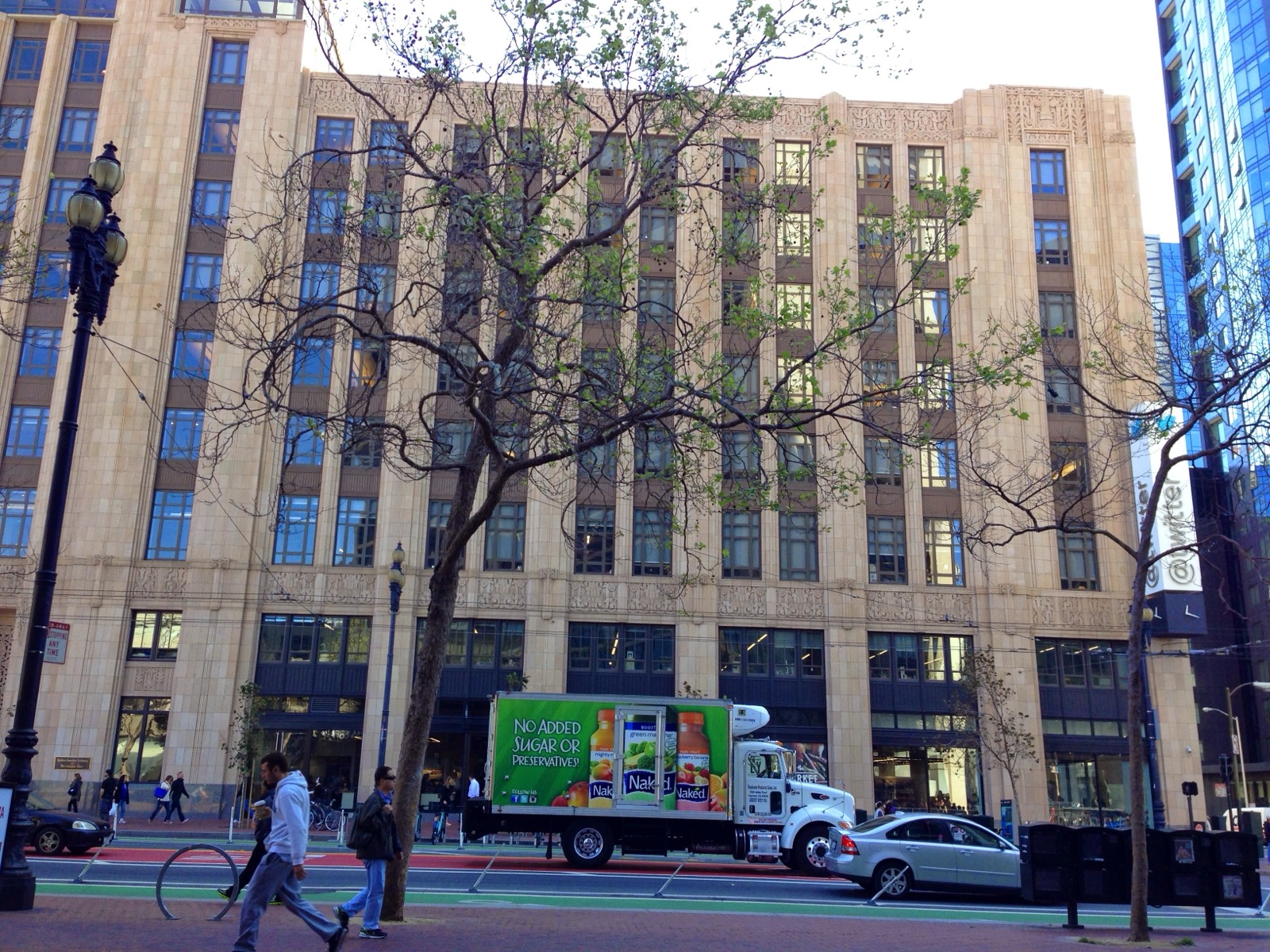

On 25 April Elon Musk agreed to pay $54.20 a share for Twitter. On 8 July his representatives delivered a notice purporting to terminate the deal. On 12 July Twitter sued to hold him to it.3SEC EDGARTwitter Q2 2022 results22 Jul 2022 On 27 October, with a trial in Delaware looming, the merger closed on the original terms.1SEC EDGARTwitter, Inc. Form 8-K: completion of the merger27 Oct 2022 Mr Musk is now Twitter’s owner and its only director: the nine other members of the board left with the merger, according to the same filing.1SEC EDGARTwitter, Inc. Form 8-K: completion of the merger27 Oct 2022
The price was about $44bn, a 38% premium to the share price on 1 April, the last trading day before Mr Musk disclosed a stake of roughly 9%.2SEC EDGARElon Musk to Acquire Twitter (press release, filed as DEFA14A)25 Apr 2022 Shareholders have done very well out of the saga. The buyer’s prospects are less certain. We think the sale was right, since a firm that cannot satisfy its owners should be free to find new ones, and that the board was right to hold Mr Musk to his word. But the price is steep, and the business he has bought has a structural problem that a change of ownership does not repair.
Start with the price. Twitter’s revenue in 2021 was $5.08bn, so Mr Musk is paying nearly nine times sales for a company that lost $221m that year and $1.14bn the year before.4SEC EDGARTwitter, Inc. Form 10-K for fiscal year 202116 Feb 2022,5SEC EDGARTwitter Q4 and fiscal year 2021 results10 Feb 2022 The latest quarter was no better. Revenue in the three months to June was $1.18bn, down 1% on a year earlier, and the firm lost $270m.3SEC EDGARTwitter Q2 2022 results22 Jul 2022 Twitter’s audience is growing: its average monetisable daily users rose by 16.6% to 237.8m.3SEC EDGARTwitter Q2 2022 results22 Jul 2022 Its habit of turning those users into profit has been less reliable.
Then the financing. Mr Musk said at signing that he had $25.5bn of fully committed debt and margin-loan financing, and would put in about $21bn of equity.2SEC EDGARElon Musk to Acquire Twitter (press release, filed as DEFA14A)25 Apr 2022 The filing that closed the deal records that Twitter’s old revolving credit facility has been terminated and that new secured debt was issued in connection with the merger, though it gives no amounts.1SEC EDGARTwitter, Inc. Form 8-K: completion of the merger27 Oct 2022 The point is not that leveraged buyouts are wicked; they can discipline lazy managers and have rescued plenty of tired firms. It is that debt is serviced in cash, and Twitter has seldom had much of that to spare.
Where would the cash come from? Mainly from advertisers. Advertising brought in $4.51bn of Twitter’s $5.08bn in 2021, or nearly 90% of revenue.4SEC EDGARTwitter, Inc. Form 10-K for fiscal year 202116 Feb 2022 The company itself says that “the substantial majority” of its revenue comes from third parties advertising on the platform.4SEC EDGARTwitter, Inc. Form 10-K for fiscal year 202116 Feb 2022 That is the structural problem. A subscriber is held by habit. An advertiser is a nervous shopper with a budget, an alternative on every side and a brand manager who reads the news. Twitter’s advertising revenue grew by only 2% in the last quarter before the deal.3SEC EDGARTwitter Q2 2022 results22 Jul 2022
Mr Musk seems to know this. On 27 October he wrote an open letter to advertisers, saying he had bought Twitter because it is a “digital town square”, that he did not want it to become a “free-for-all hellscape”, and that he wanted it to be the “most respected advertising platform in the world”.6Associated Press, via PBS NewsHourMusk doesn't want Twitter to be a 'free-for-all hellscape,' he tells advertisers27 Oct 2022 Advertisers had worried aloud that a lighter approach to content moderation would drive away users, and the brands that follow them.6Associated Press, via PBS NewsHourMusk doesn't want Twitter to be a 'free-for-all hellscape,' he tells advertisers27 Oct 2022 A promise of both openness and respectability is easy to write. It is harder to deliver to a procurement department.
The strongest case for the new owner goes like this. Twitter under public ownership was a middling operator that never quite turned its reach into earnings, and a controlling owner who need not please quarterly analysts can try bolder things. Listing also has costs, and those are gone: the shares were to stop trading on the New York Stock Exchange before the market opened on 28 October.1SEC EDGARTwitter, Inc. Form 8-K: completion of the merger27 Oct 2022 That has merit. Public markets are sometimes impatient, and private owners have turned round slow companies before.
But patience is a luxury paid for with equity, and a good part of this deal is paid for with borrowing. Debt shortens the time an owner has to be right. The firm’s biggest customers also cannot be told to wait. They can simply spend elsewhere.
Mr Musk wanted a town square. He has bought one, with borrowed money, and the stallholders pay the rent.
This article appeared in the Business & Finance section of Issue No. 1, 27 September to 3 October 2026
Sources
- Twitter, Inc. Form 8-K: completion of the merger SEC EDGAR, 2022-10-27 abcd
- Elon Musk to Acquire Twitter (press release, filed as DEFA14A) SEC EDGAR, 2022-04-25 ab
- Twitter Q2 2022 results SEC EDGAR, 2022-07-22 abcd
- Twitter, Inc. Form 10-K for fiscal year 2021 SEC EDGAR, 2022-02-16 abc
- Twitter Q4 and fiscal year 2021 results SEC EDGAR, 2022-02-10 a
- Musk doesn't want Twitter to be a 'free-for-all hellscape,' he tells advertisers Associated Press, via PBS NewsHour, 2022-10-27 ab