Campuses close
Zoom, zoom, zoom
The class of 2020 is learning that a degree bundles a lecture with a place and a crowd, and universities should now say which parts of the bill they are still delivering.
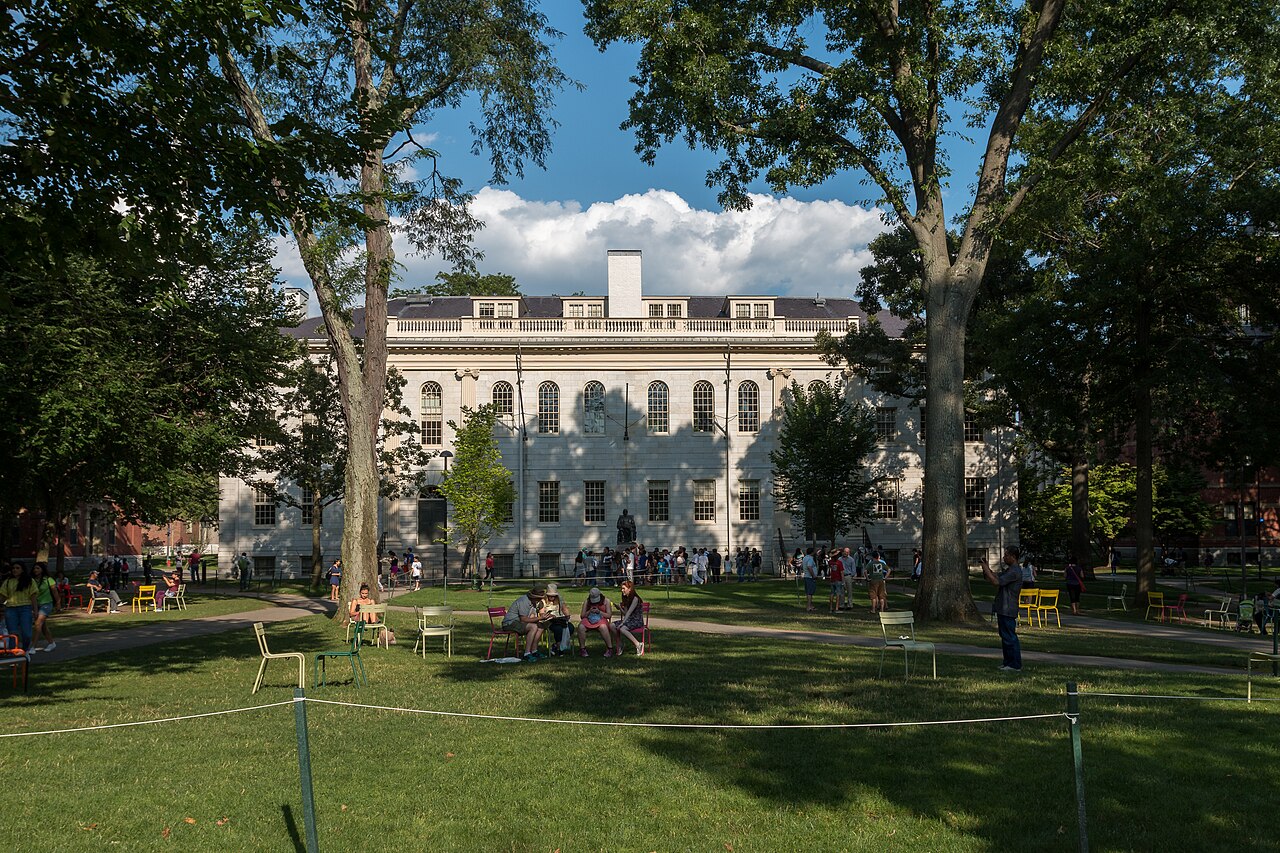

Harvard gave its undergraduates five days. On 10 March President Larry Bacow told them to be out of their rooms by Sunday the 15th, and that teaching would resume online on the 23rd for the rest of the semester.1CBS NewsHarvard tells students not to return after spring break as colleges across U.S. take action on coronavirus10 Mar 2020 “I know it will be difficult to leave your friends and your classrooms,” he said.1CBS NewsHarvard tells students not to return after spring break as colleges across U.S. take action on coronavirus10 Mar 2020 By 13 March nearly 300 American universities had announced similar plans, Stanford and Princeton among them.2EdScoopHere are the U.S. universities that have closed due to coronavirus13 Mar 2020
Nobody can fault the caution. A campus is a place where thousands of people share bathrooms, and emptying it was the sensible thing to do. The question that follows is a commercial one, and the people paying are already asking it. If a seminar can be held on a laptop, what exactly was the rest of the invoice for?
The sticker price
America, average published tuition and fees at four-year colleges, $
- 2018-19
- 2019-20
| 2018-19 | 2019-20 | |
|---|---|---|
| Public, in-state | 10210 | 10440 |
| Private nonprofit | 35680 | 36880 |
Source: College Board, Trends in College Pricing 20193
Start with what the invoice says. The College Board put average published tuition and fees at $36,880 for 2019-20 at private non-profit four-year colleges, and at $10,440 for in-state students at public ones (see chart).3College BoardPublished Prices and Net Prices Students Pay Rise at Moderate Rates22 Oct 2019 Both were higher than a year earlier.3College BoardPublished Prices and Net Prices Students Pay Rise at Moderate Rates22 Oct 2019 Those sums buy teaching, but they also buy a bundle: a library, a gym, a dining hall, a famous name on the certificate and four years among other clever 19-year-olds. Until this month the bundle was sold as a single item. The virus has just taken it apart, and the lecture was the only piece that survived the trip home.
That is the uncomfortable discovery for the class of 2020. Seniors who expected a last spring of parties, ceremonies and job fairs will finish their degrees on a screen, probably in a childhood bedroom. They did not choose it. We think they deserve more than a shrug: universities should return the housing and board they are no longer providing, and say plainly what, if anything, they will rebate on tuition for a term taught remotely. Students who have just learned to compare will keep comparing.
The universities have a fair reply. Tenured professors cannot be furloughed, buildings still need heating and the move online was hurried and tiring for staff. Tuition pays for fixed costs that did not fall when the students left. All true. But the reply concedes the larger point, which is that much of what an elite college charges for is not instruction. It is selection, a brand and a network. That is a defensible product. It is not the one the brochures describe, and it is harder to defend when the lectures arrive in a video window.
There is a competitive lesson too. Online teaching has been an afterthought at selective colleges, something for the evening-class market. Now a large share of the country’s professors is being trained in it at once, in a fortnight. Some will be dreadful. A few will be excellent, and good teaching on video has a habit of leaving the building. The cheap online degree may look rather less like a second-class option when this is over.
None of this means the campus is finished. Employers still hire on the strength of a name, and young people still find their friends, co-founders and spouses in dormitories. Those are real goods and worth paying for. We would simply like to see them priced as such, with instruction, the part that travels best, charged for accordingly.
The class of 2020 will graduate into a world that has learned it can do a good deal without the lecture hall. Its universities have until the autumn to explain what the lecture hall was for.
This article appeared in the Business & Finance section of Issue No. 3, 11 October to 17 October 2026
Sources
- Harvard tells students not to return after spring break as colleges across U.S. take action on coronavirus CBS News, 2020-03-10 ab
- Here are the U.S. universities that have closed due to coronavirus EdScoop, 2020-03-13 a
- Published Prices and Net Prices Students Pay Rise at Moderate Rates College Board, 2019-10-22 ab